Nobody Rents a Porch: Why Personal Websites Are Having a Moment Again
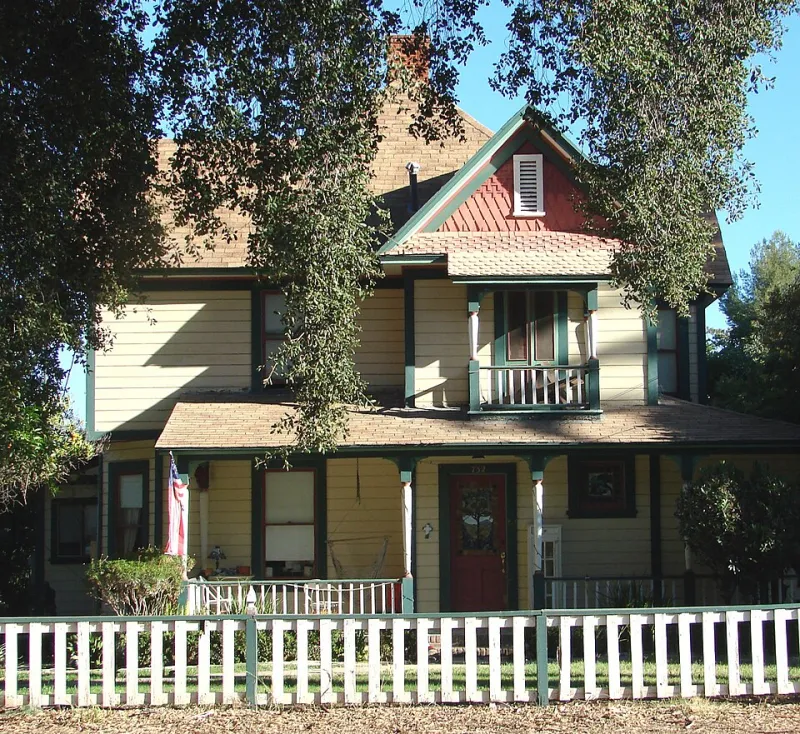
Photo: inkknife_2000 (7.5 million views +), CC BY-SA 2.0, via Wikimedia Commons
There's a particular kind of heartbreak that comes with a platform shutdown. Ask anyone who poured years into their Google+ presence, or built a following on Vine, or watched their Tumblr archive get held hostage by a policy change. When you build your online life on rented land, the landlord can change the locks at any time.
Lately, it feels like a lot of people are done being tenants.
The Homepage Is Back, and It Brought Friends
Scroll through the right corners of the internet and you'll spot it: a quiet renaissance of the personal website. Not a Linktree. Not a Substack landing page. An actual, honest-to-goodness homepage — with an about section, a blogroll, maybe a guestbook, and the unmistakable charm of something made by hand.
Webrings, those delightfully retro circles of linked sites from the '90s, are popping back up. IndieWeb meetups are drawing crowds in cities like Portland and Austin. Even the aesthetics have come full circle — pixelated GIFs, visitor counters, and that unmistakable GeoCities-era warmth are showing up on sites built in 2024.
It's not nostalgia for nostalgia's sake. It's a response to something real.
The Algorithm Doesn't Know You
Here's the core problem with social platforms: they sit between you and your audience, and they charge rent on that relationship. Change the feed algorithm, and your reach evaporates overnight. Get flagged by an automated moderation system, and you can lose everything with no appeal and no human to talk to.
A personal website flips that dynamic. Your readers come to you. They bookmark your URL, subscribe to your RSS feed, and — this is the radical part — they choose to return. No algorithm decides whether your latest post deserves their attention.
It's the digital equivalent of a front porch. People don't wander onto your porch by accident because a recommendation engine pushed them there. They come because they know you, like your company, and want to sit awhile.
The Tools Have Never Been Better
Part of what killed the personal site was friction. Hand-coding HTML in 2003 was a commitment. Today? Not so much.
- Static site generators like Astro, Eleventy, and Hugo make it possible to spin up a fast, clean site in an afternoon — free hosting included via Netlify or GitHub Pages.
- Platforms like Squarespace and Carrd handle the design for you if you'd rather not touch code.
- Micro.blog and Mataroa offer dead-simple blogging for people who just want to write.
- RSS, the internet's most underrated technology, lets readers follow you without an account on anyone's platform.
The barrier to entry has essentially collapsed. What used to take a weekend of FTP wrangling now takes a coffee break.
What a Good Homepage Actually Looks Like
The best personal sites right now share a few traits. They're specific — you know within seconds what this person cares about. They're personal in voice, written like a human talking, not a brand broadcasting. And they link outward generously, treating the web as a neighborhood rather than a walled garden.
Look at the personal sites of developers like Maggie Appleton or writers in the IndieWeb community, and you'll see digital gardens — living documents that grow and change over time. Look at indie musicians and cartoonists, and you'll find home bases where the mailing list, the shop, and the archive all live under one roof they control.
The common thread: these people own the whole experience. The design, the domain, the data, the relationship with readers. All of it.
The Mindset Shift
The deeper change isn't technical — it's philosophical. For fifteen years, we were trained to think of our online presence as content to be fed into someone else's machine. Post daily. Optimize for reach. Chase the trend.
A personal site asks something different of you. It says: make something small and durable. Write when you have something to say. Link to things you genuinely love. Let the site age like a home does — a little worn in, full of character, unmistakably yours.
Nobody expects their porch to go viral. They expect it to be a nice place to sit. That, it turns out, is a much healthier goal — and in the long run, a much more valuable one. The internet got big enough that small and personal is starting to feel like the luxury good.
Claim your plot. Build your porch. Put out a chair.